





Kathmandu UNESCO Sites Entrance Fees| What You Need to Know
Kathmandu is more than just the capital of Nepal—it’s like a living museum. From ancient temples to royal palaces, it holds some of the world’s most precious cultural treasures. And many of these gems are protected as part of the famous Kathmandu UNESCO World Heritage Sites. But before you dive into this cultural journey, it’s super helpful to know the UNESCO Sites Entrance Fees—so you can plan better, budget smarter, and enjoy your visit without surprises.
In this easy blog, we’ll break down everything you need to know about ticket prices, locations, and must-see spots. This blog is your best journey companion, whether you’re going with family, on a school trip, or just interested in Nepal’s fascinating history.
Which Kathmandu sites are on the UNESCO list?
UNESCO sites in Kathmandu are protected locations that were picked because of how important they are to history, culture, and religion. In the Kathmandu Valley, there are seven amazing places that deserve this title. Some of these are:
- Swayambhunath Stupa (also called Monkey Temple)
- Boudhanath Stupa
- Pashupatinath Temple
- Kathmandu Durbar Square
- Bhaktapur Durbar Square
- Patan Durbar Square
- Changu Narayan Temple
Each of these cultural sites in Kathmandu tells a story that’s thousands of years old. Walking through them feels like stepping into a history book—but way cooler.
Complete List of UNESCO Sites Entrance Fees
Here’s the latest info on the UNESCO Sites Entrance Fees you’ll need to pay as a tourist. These apply mostly to foreigners, but we’ve also included info for SAARC nationals and locals.
| Heritage Site | Foreign Nationals | SAARC Nationals | Nepali Citizens |
| Swayambhunath | NPR 200 | NPR 50 | Free |
| Boudhanath | NPR 400 | NPR 100 | 25 |
| Pashupatinath | NPR 1,000 (museum) | NPR 1,000 | Free |
| Kathmandu Durbar Square | NPR 1,000 | NPR 500 | Free |
| Bhaktapur Durbar Square | NPR 1,800 | NPR 500 | Free |
| Patan Durbar Square | NPR 1,000 | NPR 250 | NPR 30 |
| Changu Narayan | NPR 300 | NPR 100 | Free |
Swayambhunath Stupa (Monkey Temple)
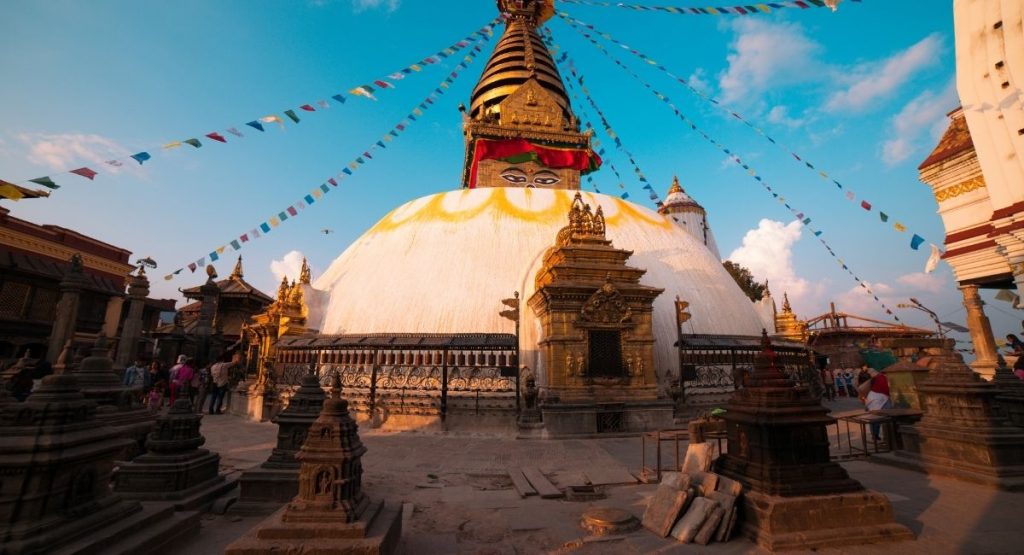
Out of all the Kathmandu UNESCO World Heritage Sites, Swayambhunath is one of the most visited. Nicknamed the Monkey Temple because of—you guessed it—a bunch of cheeky monkeys, it’s perched on a hill and gives a stunning view of the city.
- Swayambhunath entry ticket: NPR 200 for foreign visitors and NPR 50 for SAARC nationals
- Open all day, but early morning or sunset is best
- Bring a camera—you’ll want photos of prayer flags and golden stupas
Besides the temple, you’ll see local monks praying, people spinning prayer wheels, and tourists from all over the world soaking up the peaceful vibes. It’s more than just a site—it’s an experience.
What to Expect:
- Panoramic views of Kathmandu Valley from the hilltop
- Cheeky monkeys roaming the stairs and temple grounds
- Peaceful surroundings with prayer flags fluttering in the wind
- Locals offering prayers and lighting butter lamps
- A mix of Buddhist and Hindu elements in one sacred site
- Great photo spots for sunrise, sunset, and city views
Recommended Package: Family Tours in Nepal
Pashupatinath Temple
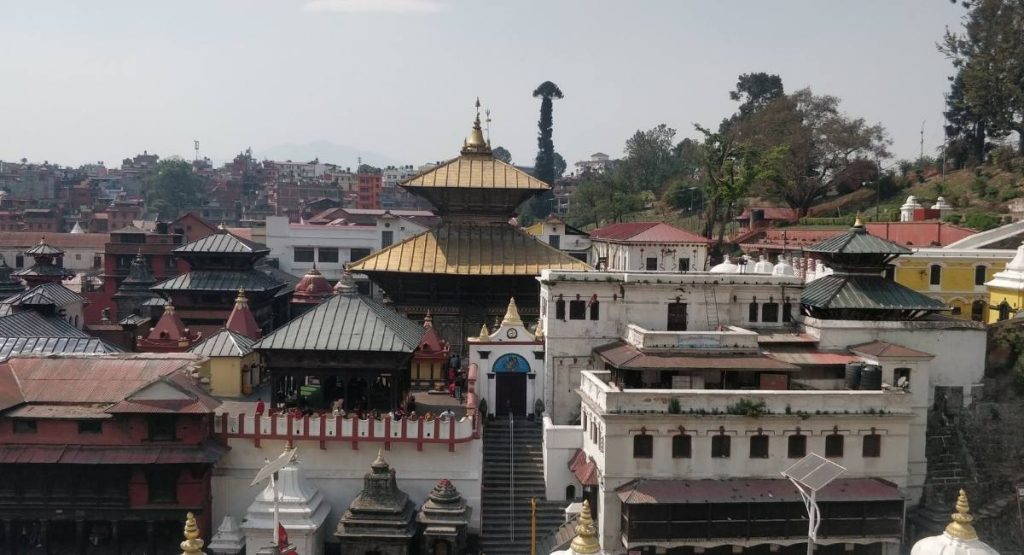
Pashupatinath is the most sacred Hindu temple in Nepal and a deeply spiritual stop among the UNESCO sites in Kathmandu. While non-Hindus can’t enter the main temple, the surrounding complex is still open and very eye-opening.
- Pashupatinath entry ticket: NPR 1,000 (includes museum access)
- Open from 4 AM to 9 PM
- Evening aarti (ritual) around 6 PM is a must-see
Here, you’ll witness rituals, cremation ceremonies by the river, and holy sadhus (Hindu monks) in bright robes. The UNESCO Sites Entrance Fees collected here help preserve this sacred space and support cultural conservation efforts. It’s a powerful experience that shows a different side of Nepal’s spiritual world.
What to Expect:
- Open-air cremation ceremonies along the Bagmati River
- Evening aarti (rituals with fire and music) that draw large crowds
- Sadhus (Hindu holy men) offering blessings and posing for photos
- Temple architecture and shrines dating back centuries
- Strong spiritual energy and cultural depth
- A raw and emotional glimpse into Hindu life and afterlife traditions
Boudhanath Stupa
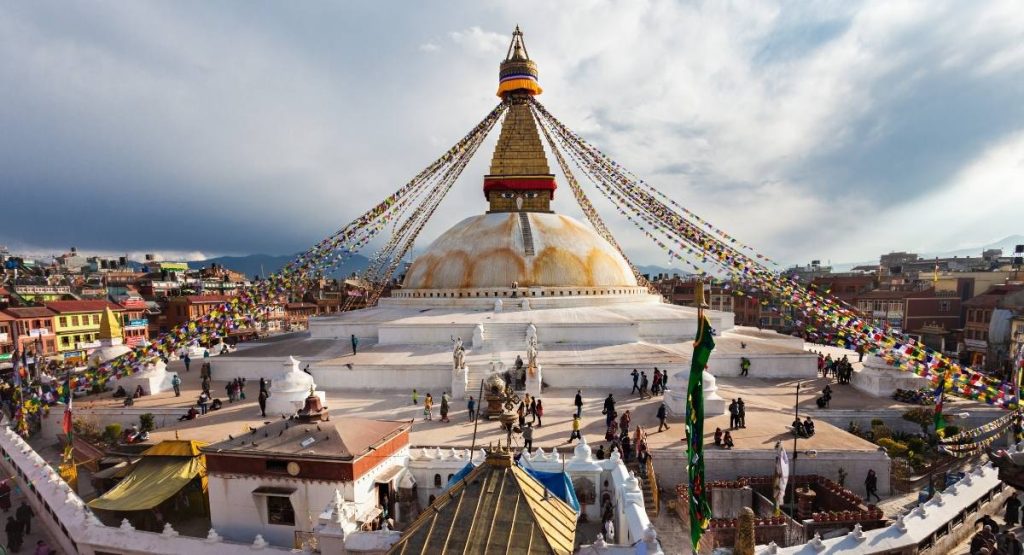
One of the most peaceful places among the Kathmandu UNESCO World Heritage Sites, Boudhanath is a giant white dome surrounded by colorful prayer flags and spinning wheels. It’s a favorite place for Tibetan monks, pilgrims, and visitors looking for calm.
- Boudhanath entry ticket: NPR 400 for foreign visitors and NPR 100 for SAARC nationals
- Open from early morning until late evening
- Best to visit at sunrise or when butter lam
- ps light up the stupa at dusk
The entire area is filled with chanting, soft bells, and prayer circles. You can also sip tea on a rooftop café while watching the stupa glow under the sky. Boudhanath isn’t just a photo stop—it’s a quiet escape.
What to Expect:
- Soothing sound of monks chanting and prayer wheels spinning
- Large white dome with all-seeing Buddha eyes at the top
- A calm atmosphere, perfect for reflection and quiet walks
- Rooftop cafes with the best stupa views
- Pilgrims doing koras (circling the stupa) with deep devotion
- A peaceful break from the city buzz, especially during dusk
Recommended Package: Nepal Bhutan Luxury Tour
Kathmandu Durbar Square
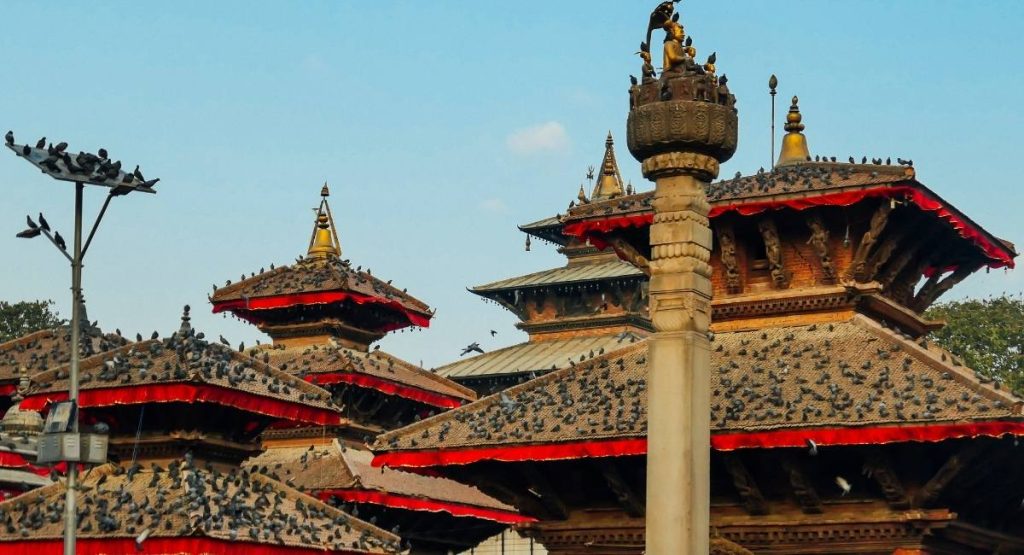
Kathmandu Durbar Square is like a royal playground, packed with temples, old statues, and palace courtyards. It once hosted coronations of kings, and it’s still buzzing with local life today.
- Kathmandu Durbar Square entry ticket: NPR 1,000 for foreign visitors and NPR 500 for SAARC nationals.
- Open during daylight hours, best visited in the morning
- Look out for the Kumari—the living goddess who appears from her palace window
This square offers amazing architecture, street vendors, musicians, and pigeons fluttering around. It’s a snapshot of old Kathmandu in action.
What to Expect:
- Stunning Newari-style temples and historic palace courtyards
- The chance to see the Kumari, Nepal’s living goddess
- Busy squares with local vendors, artisans, and performers
- Ancient statues and intricately carved wooden windows
- Street music, fluttering pigeons, and lively local energy
- One of the highest UNESCO Sites Entrance Fees, but well worth it for history lovers
Patan Durbar Square
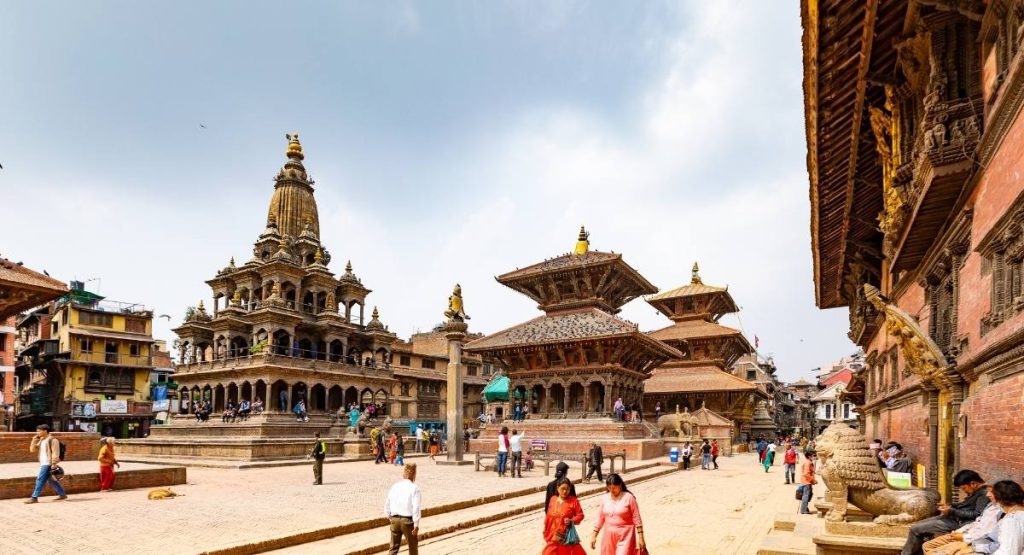
Known as the “City of Fine Arts,” Patan’s square is full of gorgeous temples, bronze statues, and historic courtyards. It’s one of the most artistic cultural sites in Kathmandu, and home to the famous Patan Museum.
- Patan Durbar Square entry ticket: NPR 1,000 for foreign visitors (includes museum) and NPR 200 for SAARC Nationals
- Open from 10 AM to 5 PM
- Sunset adds a golden glow to the red brick and copper roofs
The museum here is one of the best in South Asia. With centuries-old sculptures and detailed craftsmanship, Patan is perfect for art and history lovers alike.
What to Expect:
- Beautifully preserved temples and bronze statues
- One of the top-rated museums in South Asia (entry included)
- Traditional architecture with intricate wood and metal work
- Quiet courtyards, perfect for slow exploration
- Artists and local crafters showcasing traditional skills
- A must-see stop for those who love design, art, and history
Bhaktapur Durbar Square:
Bhaktapur is like walking through a real-life medieval city. Cobblestone streets, handmade pottery, and old palaces greet you at every turn in this heritage-rich destination.
- Entry fee: NPR 1,800 for foreign visitors and NPR 500 for SAARC nations
- Open during daylight hours
- Famous for pottery, palaces, and traditional festivals
This square is quieter than Kathmandu’s and more preserved. You’ll love the 55-Window Palace, Nyatapola Temple, and the super photogenic alleys. It may have one of the highest UNESCO Sites Entrance Fees, but the cultural experience and historical charm make it worth every rupee.
What to Expect:
- Ancient royal courtyards and intricately carved wooden buildings
- The towering Nyatapola Temple—five stories of beauty and balance
- The famous 55-Window Palace with unique architectural detail
- Pottery Square where locals shape clay by hand
- Fewer crowds, making it ideal for peaceful exploration
- A full-on time-travel feel with narrow lanes and historic vibes
Changu Narayan – What to Expect
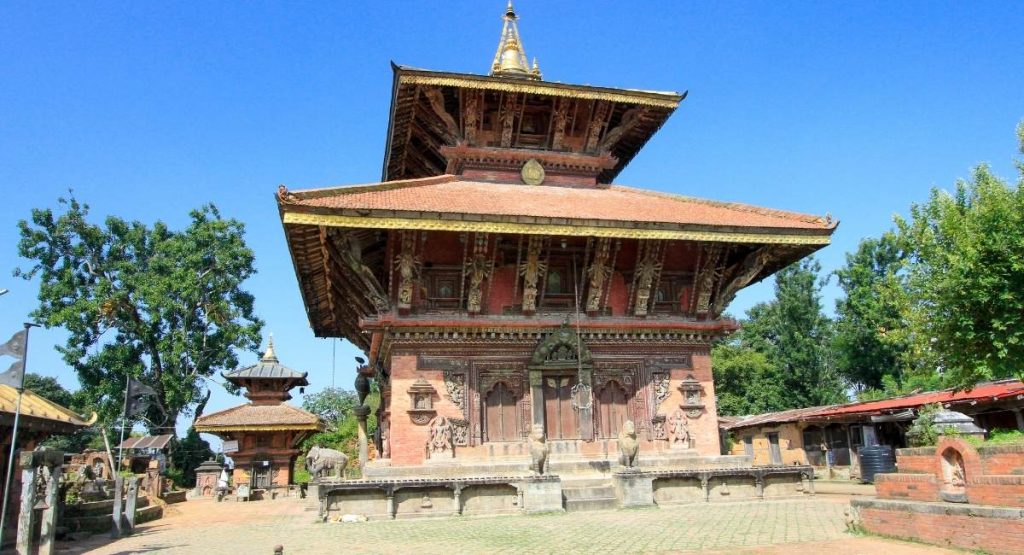
Changu Narayan is Nepal’s oldest temple. It is tucked away on a quiet hill. It’s not as busy as some other sites, so it’s a great spot for a calm stay.
- Entry fee: NPR 300 for foreign visitors and NPR 10
- Open from early morning to evening
- Located on a peaceful ridge near Bhaktapur
There are old carvings on the stones, peaceful gardens, and a view of the valley below. There are many myths and holy stories in this small place. The entrance fee to this secret gem is one of the less expensive ones for UNESCO sites, and it gives you a priceless look into Nepal’s spiritual roots.
What to Expect:
- Ancient Lichhavi-era stone inscriptions and sculptures
- A peaceful hilltop setting with far fewer crowds
- Beautiful views of Bhaktapur and the surrounding valleys
- Small, well-kept courtyards and sacred shrines
- Rich legends tied to Hindu god Vishnu
- One of the most budget-friendly UNESCO site experiences in the valley
Why do you have to pay to get into Kathmandu’s cultural sites?
You might be confused about why you have to pay. It’s easy to answer: Kathmandu’s cultural places need to be taken care of, fixed up, and kept safe. The fees for entering UNESCO sites go straight to:
- Fixing up old buildings
- Cleaning and keeping an eye on the crowds
- Getting staff and drivers paid
- Making sure the places are safe and good for tourists
That’s why every ticket you buy helps keep Nepal’s past alive and cool.
Tips Before You Visit Any Kathmandu UNESCO World Heritage Sites
Here are some easy tips that can save you time and hassle:
- Carry cash (Nepali rupees) – Most sites don’t accept cards.
- Keep your ticket – You might need to show it more than once.
- Respect the rules – Dress modestly and don’t touch religious items.
- Visit early – Sites are less crowded and photos are better.
- Hire a guide – They bring the history to life (and it’s worth it).
- Combine sites in one day – Many UNESCO sites in Kathmandu are close to each other.
Are These Sites Worth the Nepal Tourism Fees?
Totally! Each of the Kathmandu UNESCO World Heritage Sites offers something unique:
- Boudhanath is peaceful and spiritual, with colorful prayer wheels.
- Pashupatinath is full of rituals and deep meaning.
- Durbar Squares give you royal history and stunning architecture.
- Changu Narayan is one of the oldest temples in Nepal, perfect for history fans.
The UNESCO Sites Entrance Fees are a small price for such rich experiences. You’ll leave with stories, selfies, and a much deeper connection to Nepal.
Conclusion
Before you go to Kathmandu to see the UNESCO sites, make sure you know how much it costs to get in. It keeps you from getting lost and lets you enjoy the UNESCO World Heritage Sites in Kathmandu even more.
You don’t need one day to see everything. Do not rush. Maybe start with the ticket to enter Swayambhunath and add more as you go. You’re walking through live history when you go to temples, squares, or old cities.
Get ready to see the most interesting cultural places in Kathmandu. Book your guided heritage tour now at TourInNepal and make your journey unforgettable!
FAQ’s
What to eat in Kathmandu?
Try momo, dal bhat, Newari khaja, chatamari, and sel roti—local favorites loved by all.
What is the famous monument of Nepal?
Swayambhunath and Pashupatinath are among Nepal’s most iconic and sacred landmarks.
What is unique about Kathmandu?
It’s the only city with seven UNESCO World Heritage Sites in one valley.
Is Kathmandu a spiritual place?
Yes, it’s a sacred center for both Hindu and Buddhist traditions.
When was Kathmandu Durbar Square Listed in world heritage sites?
Kathmandu Durbar Square was listed by UNESCO in 1979.